

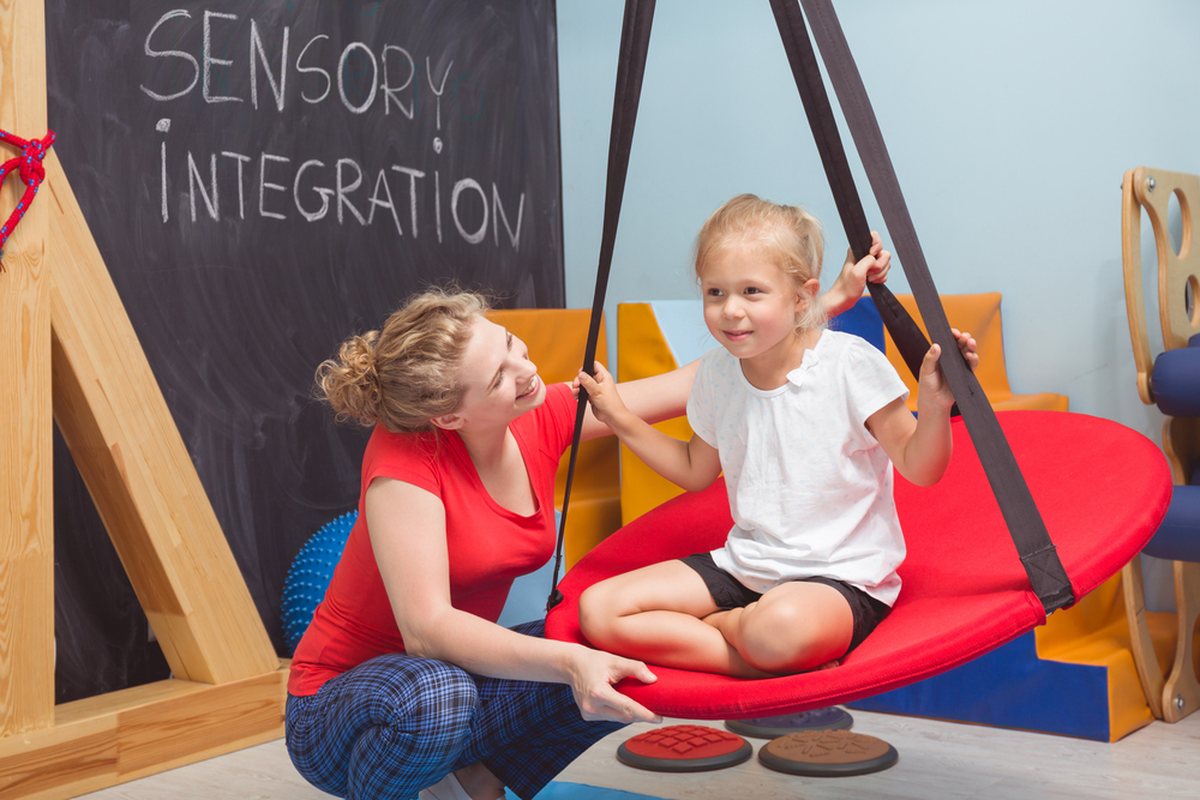
What Is Sensory Integration?
Sensory systems are the information gateways of the brain and body. Our senses make it possible to learn about the world around us. To respond to events, pay attention, learn, plan and organise, the brain must make sense of the various sensory information coming from the body and the environment. This process is called sensory integration.
In most people, sensory integration develops naturally through ordinary childhood activities. In some children it does not develop efficiently enough, and this affects how the child responds to and interacts with their environment and the people in it.
Signs in Children Who Struggle to Process Sensory Information
- Constantly on the move, fidgety
- Slow to learn new motor skills
- Over-sensitive to clothing, textures or sounds
- Described by others as "bright but lazy"
Effective Intervention
Our paediatric specialists use knowledge of sensory integration during treatment to address the underlying sensory and motor basis that helps a child learn new skills more easily. Our approach is individualised to each child's and family's functional needs.
Observations about the child's strengths and areas of difficulty are shared with the family, so that family members can see how difficulties in processing sensory input affect daily activities, and an individual treatment plan is created.
When parents and therapists work together, each gains new insight that leads to better understanding of the child and more effective intervention; the treatment process sustains its effectiveness through transfer to daily life.